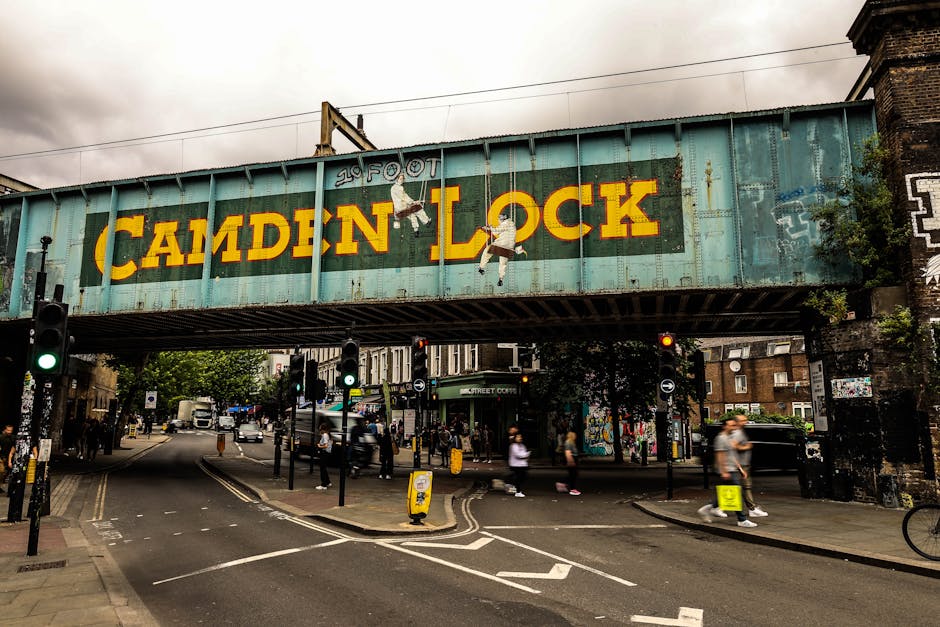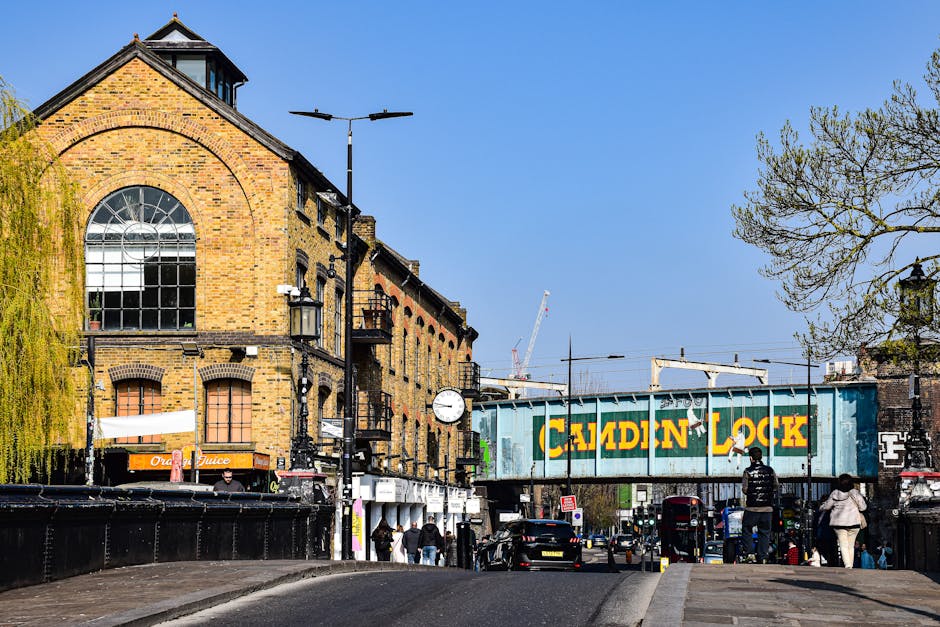
Camden Council permit rules for house removals NW1: a practical guide for stress-free moving
If you are planning a move in NW1, the last thing you want is a lorry parked in the wrong place, a permit issue, or a driver waiting while a neighbour gives you that look. Camden Council permit rules for house removals NW1 can feel a bit administrative at first, but they matter more than most people expect. A smooth move in Camden is usually about timing, access, and a little planning. Get those right, and everything feels easier.
This guide breaks down what the rules mean, how permit and parking arrangements typically affect house removals, and what you should sort out before moving day. It also covers common mistakes, practical checks, and how to keep your move tidy, legal, and far less chaotic. If you are comparing removal options, you may also find it useful to look at our house removals and man with van services as part of your planning.
Why Camden Council permit rules for house removals NW1 Matters
House removals in NW1 often happen on streets where parking is tight, traffic is constant, and kerb space disappears quickly. In practice, that means a removal van or truck cannot simply turn up and hope for the best. Depending on the street, the time of day, and the size of the vehicle, a permit, parking dispensation, or some form of loading arrangement may be needed.
The big reason this matters is simple: if the vehicle cannot stop legally and safely, your movers lose time and the move becomes harder than it needs to be. That can lead to delays, extra labour, stressed neighbours, and a very awkward day. To be fair, nobody wants to be carrying a wardrobe down three flights of stairs while the driver circles the block.
NW1 includes busy residential streets, flats with limited access, controlled parking zones, and roads where loading is restricted at certain times. Even when a move is perfectly normal, the road setup may not be. So the permit side is not a side issue; it is part of the move itself.
Expert takeaway: for most NW1 house moves, parking and access planning should be treated as seriously as packing boxes. If the vehicle access is not sorted, everything else takes longer.
It also helps to understand the wider service picture. If your move needs more than a standard van, a moving van or even a larger moving truck may be involved, and the space needed for that vehicle can affect what kind of parking arrangement is realistic.
How Camden Council permit rules for house removals NW1 Works
In plain English, the rules usually come down to where the vehicle can stop, how long it can stay there, and whether the stop is for loading, unloading, or waiting. Camden manages street parking and controlled bays across the borough, so a removal vehicle may need permission if it is going to use a bay, suspend access, or stop in a restricted area.
The exact requirement depends on the location and the nature of the move. Some properties in NW1 have straightforward driveway or forecourt access. Others sit on narrow roads where the vehicle needs to use the road edge for a short loading window. And some flats are tucked into shared access roads or estates where the rules are different again. Not exactly the same from one street to the next. Hardly ever.
In practical terms, there are three common scenarios:
- No special permit needed: you have private access, a proper driveway, or a legal place to load without blocking restrictions.
- Loading or waiting needs careful planning: the vehicle can stop briefly, but only in a legal bay, outside restricted hours, or with specific conditions.
- A permit, dispensation, or bay arrangement is needed: the move requires temporary use of controlled parking space or a restriction exception.
Because parking regulations can change by street and time, it is sensible to check early. If you are booking a team, ask whether they are used to working in Camden-style access conditions. A good mover will think about the road before they think about the sofa. That sounds obvious, but it is where a lot of people slip up.
For moves with additional handling, you may also want support from house movers or broader removal services so the vehicle, labour, and timing all line up properly.
Key Benefits and Practical Advantages
Getting the permit and parking side of the move right does more than keep you compliant. It changes the feel of the entire day.
- Less delay: movers can park where they need to, which keeps loading steady.
- Lower risk of fines or complaints: a legal setup is safer for everyone involved.
- Better protection for bulky items: fewer long carries means less chance of damage.
- Cleaner neighbourhood relations: you are less likely to block access or annoy residents.
- More accurate scheduling: your estimated move time is more realistic when access is sorted in advance.
There is also a quieter benefit people forget about: peace of mind. When you know the vehicle can stop properly, you stop second-guessing every minute. That helps a lot on moving morning when everyone is a bit tired and the kettle is doing overtime.
For customers weighing up different service types, it can be useful to compare a compact man and van arrangement against a fuller moving team. A smaller vehicle may fit tighter streets more easily, while a larger service may reduce the number of trips. The right choice depends on the property, not just the inventory list.
Who This Is For and When It Makes Sense
This topic is most relevant if you are moving from or to a home in NW1 and your vehicle will need to stop on a public road, in a controlled parking area, or near a restricted access point. That includes:
- people moving from flats, terraces, or mansion blocks
- households on streets with controlled parking zones
- anyone using a removal van that cannot fit on private land
- residents moving on busy weekdays, when loading spaces are under pressure
- people coordinating a large furniture move, not just a few boxes
It also matters if you are using professional help rather than doing the job yourself. A mover who knows how to handle parking constraints can save you a lot of trouble. If the move is bigger or more delicate, you might even look at removal company support or a full removals package.
In some cases, the best fit is a small and nimble vehicle. In others, it is a coordinated team with the right handling equipment. The permit issue does not decide that for you, but it does shape it.
Step-by-Step Guidance
If you want to keep this simple, work through it in order. No drama, no rushing.
- Check the property access first. Look at the street, bay markings, kerb space, and any obvious restrictions. If you can see a sign, read it properly. Sounds basic, but it saves headaches.
- Confirm the vehicle type. A small van, long-wheelbase van, and larger truck can all trigger different access needs. A bigger vehicle may need more space than you expect.
- Decide whether the stop is loading only or longer term. A quick load is different from holding a space while a crew carries items down multiple floors.
- Work out the move time. Morning, lunchtime, and evening conditions can be very different in NW1. School runs, commuters, and local traffic all matter.
- Ask about parking permission or dispensation. If the road setup looks tight, do not assume it is fine. Check early and confirm the plan in writing where possible.
- Prepare the access route inside the property. Make sure stairs, communal areas, and doorways are cleared. A permit is only half the battle.
- Build a buffer into the schedule. Even with careful planning, things happen. A lift may be slow, a neighbour may be using the bay, or rain may make loading awkward.
A real-world example: a second-floor flat move near a narrow NW1 road can look straightforward on paper, but if the van cannot park close enough, the carrying distance triples. Suddenly the job is not just lifting boxes; it is a mini endurance event. Nobody needs that before lunch.
For packing support, our packing and unpacking services can help reduce the number of loose items and shorten loading time, which is often useful where parking windows are tight.
Expert Tips for Better Results
There are a few small things that make a surprisingly big difference in Camden-style moves.
- Keep the heaviest items closest to the door. It reduces carrying distance and makes loading more controlled.
- Group items by room and priority. The first load should not be a random mix of kettles, lamps, and one rogue coat hanger.
- Use labelled boxes that make sense in a hurry. "Kitchen - fragile" is useful. "Misc 3" is less so.
- Confirm building access rules before moving day. Some blocks have booking systems, lift restrictions, or concierge procedures.
- Photograph tight access points if needed. A quick picture of the road or bay can help the mover plan vehicle placement.
- Choose vehicle size carefully. A slightly smaller van can sometimes be the smarter call if the road is awkward.
One thing we often see: people focus on the furniture but forget the route. The route matters. A lot. If the hallway, lift, or front step creates a bottleneck, your move will drag even if the van is parked perfectly.
Where insurance and safe handling matter, it is sensible to work with a provider that is clear about coverage and process. You can review our approach on insurance and safety and our wider health and safety policy if you want to understand how a professional setup should be handled.
Common Mistakes to Avoid
A lot of moving problems are not caused by the move itself. They come from planning gaps. Here are the big ones.
- Leaving parking checks until the last minute. By then, options are often limited.
- Assuming a "quick stop" is automatically fine. In controlled areas, even short stops can matter.
- Booking the wrong vehicle size. Too big and it may not fit. Too small and you waste time with multiple trips.
- Not checking estate or block rules. Private roads and communal areas can have their own restrictions.
- Forgetting loading time affects parking time. If the crew needs 45 minutes, that is not the same as five minutes at the kerb.
- Ignoring weather and road conditions. Rain, narrow pavements, and evening traffic can change the whole picture.
Another common one: people pack well, then leave no clear landing zone at the new property. So the van arrives, but the boxes have nowhere to go. You can almost hear the sigh. Avoid that if you can.
Tools, Resources and Recommendations
You do not need complicated tools to manage this properly. A few simple things go a long way.
- A moving-day checklist: useful for timing, access, keys, and essentials.
- Phone photos of both properties: excellent for tight stairwells, doors, and parking spaces.
- Box labels and colour codes: they keep unloading organised and save searching later.
- A clear contact number for the driver or crew: helps if they need an update on access or timing.
- Spare cashless payment method: useful if there are outstanding charges or final balances, depending on your arrangement.
For pricing clarity, it is usually best to request a written quote that reflects vehicle size, access, distance, loading time, and any extra handling. You can review our pricing and quotes information if you want a clearer idea of how moving costs are normally presented. If the job is more bespoke, a tailored quote is often the fairest option.
If you are still comparing service types, browsing removal services and removal companies can help you judge what level of support you actually need. Not every move needs the same setup, and that is fine.
Law, Compliance, Standards, or Best Practice
Because this topic touches public roads, parking restrictions, and vehicle access, it is sensible to treat compliance carefully. The exact rules you need to follow depend on the street, the type of vehicle, and the location of the loading point. In Camden, that often means checking local parking conditions before moving day rather than assuming a road is open to use.
Best practice usually includes:
- planning access before the booking is confirmed
- checking whether a loading bay, parking bay, or permit arrangement is required
- avoiding obstruction of entrances, junctions, driveways, or pedestrian routes
- making sure the vehicle does not create a safety risk for residents or road users
- working with a mover who understands local access conditions and can adapt on the day
In the UK removals industry, a sensible standard is simple: do not rely on guesswork. If there is any doubt, check before the day rather than during it. That is especially true in dense urban areas like NW1, where one wrong assumption can cost you time and money.
If you want reassurance about how a professional company should handle the practical side of a move, it is worth looking at the standards described in our terms and conditions and wider approach to responsible working. Clear expectations protect everyone.
Options, Methods, or Comparison Table
Different moves need different approaches. Here is a simple comparison to help you judge what may fit your NW1 move best.
| Option | Best for | Access and permit pressure | Typical advantage | Potential drawback |
|---|---|---|---|---|
| Small van / man and van | Smaller homes, light to medium loads, awkward streets | Usually lower | Easier to manoeuvre in tight NW1 roads | May require more trips if volume is higher |
| Standard removal van | Average house moves with moderate furniture | Medium | Good balance of capacity and access flexibility | Still needs proper parking planning in controlled zones |
| Larger moving truck | Full house moves, bulky furniture, larger inventories | Higher | Fewer trips and faster loading once parked | Can be harder to place legally on narrow streets |
The right choice is rarely about size alone. It is about whether the vehicle can actually operate efficiently where you live. On a calm suburban road, a larger truck may be no issue. In NW1, the smarter option is often the one that fits the street first and the furniture second.
Case Study or Real-World Example
Here is a realistic moving-day scenario. A family is leaving a top-floor flat in NW1 with a mix of furniture: beds, boxes, a dining table, and a few fragile bits that need care. The street has limited parking and the nearest legal stop is not directly outside the building. The movers arrive on time, but without checking access details in advance, the van would have had to park further away, turning a tidy half-day move into a much longer job.
Instead, the move is planned with parking in mind. The customer chooses a smaller vehicle that can stop more comfortably near the property. Boxes are labelled by room. The largest items are ready first. A clear path is kept in the hallway. The result? Loading is quicker, there is less back-and-forth, and the van does not sit waiting while people search for keys or move clutter.
That is the real point of Camden Council permit rules for house removals NW1: they are not just about forms or parking signs. They shape the pace of the day. When access is thought through early, the move feels calm enough to breathe through, even if the lift is doing that slightly annoying delayed-opening thing again.
Practical Checklist
Use this before moving day. It keeps the basics visible.
- Check whether the property has private parking or only street access
- Review bay signs, restrictions, and local parking conditions
- Confirm the size of the vehicle you are booking
- Ask if a permit, dispensation, or loading arrangement is needed
- Check building rules, lift access, and key collection times
- Label boxes by room and priority
- Keep a clear route from the property to the vehicle
- Prepare fragile items separately and mark them clearly
- Leave a little buffer in the schedule for delays
- Keep a contact number handy for the mover and the property manager
Quick summary: if the van can park legally, the moving route is clear, and the schedule has a small buffer, you are already ahead of most stressful move days.
Get a free quote today and see how much you can save.
Conclusion
Moving in NW1 does not have to be complicated, but it does reward careful planning. Camden Council permit rules for house removals NW1 are really about access, timing, and making sure the vehicle can operate safely and legally where it needs to be. Once you sort that out, the rest of the move gets much easier to manage.
In our experience, the best moves are rarely the ones with the fanciest packing. They are the ones where the road, the crew, and the property all work together. That is the quiet win. No fuss, no scrambling, just a straightforward day and a proper fresh start.
For a move that feels organised rather than improvised, choose the vehicle and service level that suit your street, your belongings, and your pace. Then let the actual move do what it should do: get you home.
Frequently Asked Questions
Do I always need a permit for house removals in NW1?
No, not always. If you have private drive access or a legal place to load without using restricted public space, a permit may not be needed. The need depends on the street, the vehicle, and how long it needs to stop.
How far in advance should I check Camden Council permit rules?
As early as possible. A few days in advance is better than the morning of the move, especially in busy parts of NW1 where parking can be tight and time windows are limited.
Can a removal van stop briefly just to load boxes?
Sometimes, but not automatically. A short stop may still need to comply with local restrictions. What looks like a quick load to you can still count as an improper stop if the road rules say otherwise.
What happens if the van cannot park outside the property?
The crew may need to park further away, which increases carrying distance and loading time. That can make the move slower and sometimes more expensive. It is one of those small things that becomes a big thing very fast.
Is a smaller van better for NW1 streets?
Often, yes, especially where roads are narrow or parking is limited. A smaller van can be easier to place legally and may reduce access problems. That said, the right vehicle still depends on how much you are moving.
Do flats and maisonettes usually need more access planning than houses?
Usually they do. Shared entrances, stairwells, lifts, and communal roads can all add complexity. A straightforward house move can become more involved if the property has limited kerbside access.
Can movers arrange the parking plan for me?
Some movers can help with the planning, especially if they work in Camden regularly. Even then, it helps if you provide building details, photos, and any parking information you already have.
What if my move date changes at short notice?
Tell the mover and check whether any parking arrangement or plan needs updating. In a tight area like NW1, a time change can affect access quite a bit, especially around busy traffic periods.
How do I know if my street is awkward for removals?
If parking is limited, traffic is heavy, or loading spaces are shared with residents, it is probably awkward enough to deserve extra planning. Narrow roads and controlled bays are the usual warning signs.
Should I choose a removal company or a man and van service?
It depends on the size of the move and the access conditions. A man and van setup can suit smaller or tighter moves, while a fuller removal team is better for larger inventories and more complex handling.
Do permit and parking issues affect the final quote?
They can. If access is difficult, loading takes longer, or a larger vehicle is needed, the quote may reflect that. A clear quote should take account of vehicle size, access, and time on site.
What is the best thing to do if I am not sure about the rules?
Check the street conditions early, gather photos, and speak to your mover before the booking is finalised. If there is any doubt, it is much better to plan conservatively than to hope for the best on moving day.